AN ATTACK THAT SHOCKS COLOMBIAN DIPLOMACY
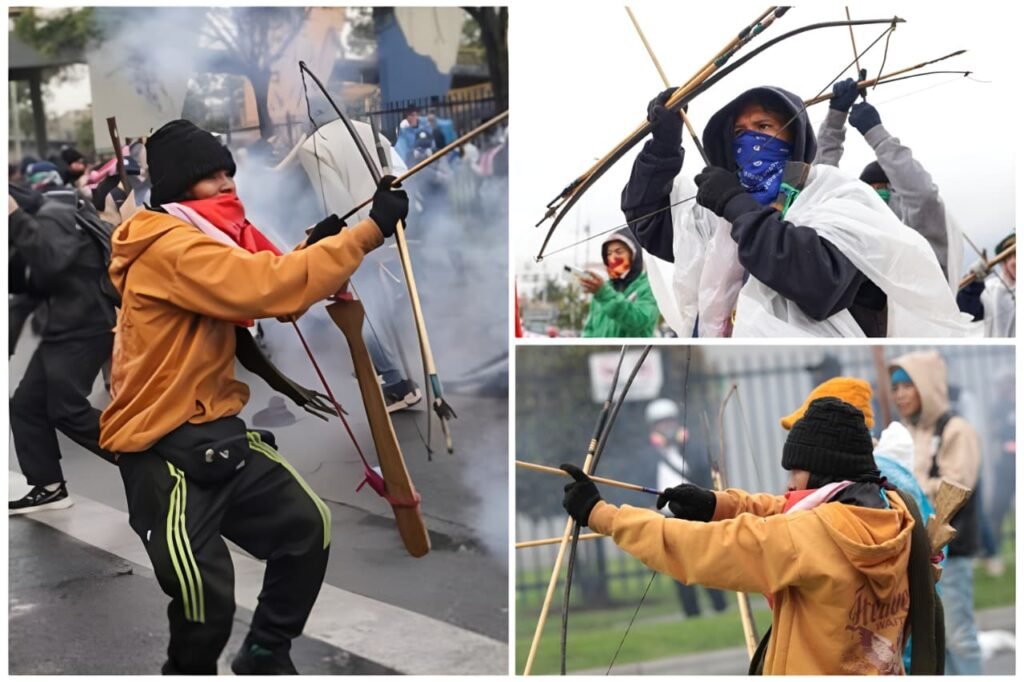
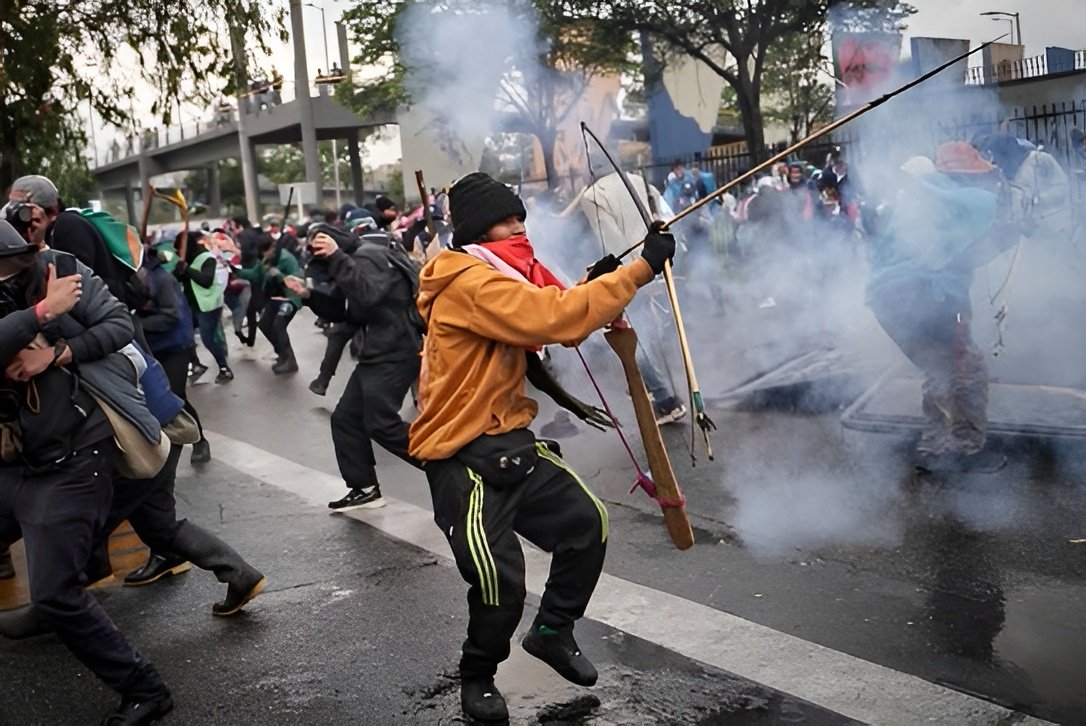
Bogotá woke up to scenes of chaos and tension. Groups of demonstrators attacked the U.S. Embassy in Colombia, hurling rocks, arrows, and homemade explosives at police officers guarding the diplomatic compound. The violent confrontation left several police officers injured and raised international concern about Colombia’s internal security. What began as a political demonstration quickly escalated into violent clashes, sparking a national debate about the limits of protest, state authority, and the protection of foreign missions on Colombian soil.
THE EVENTS: HOW THE ATTACK UNFOLDED IN BOGOTÁ
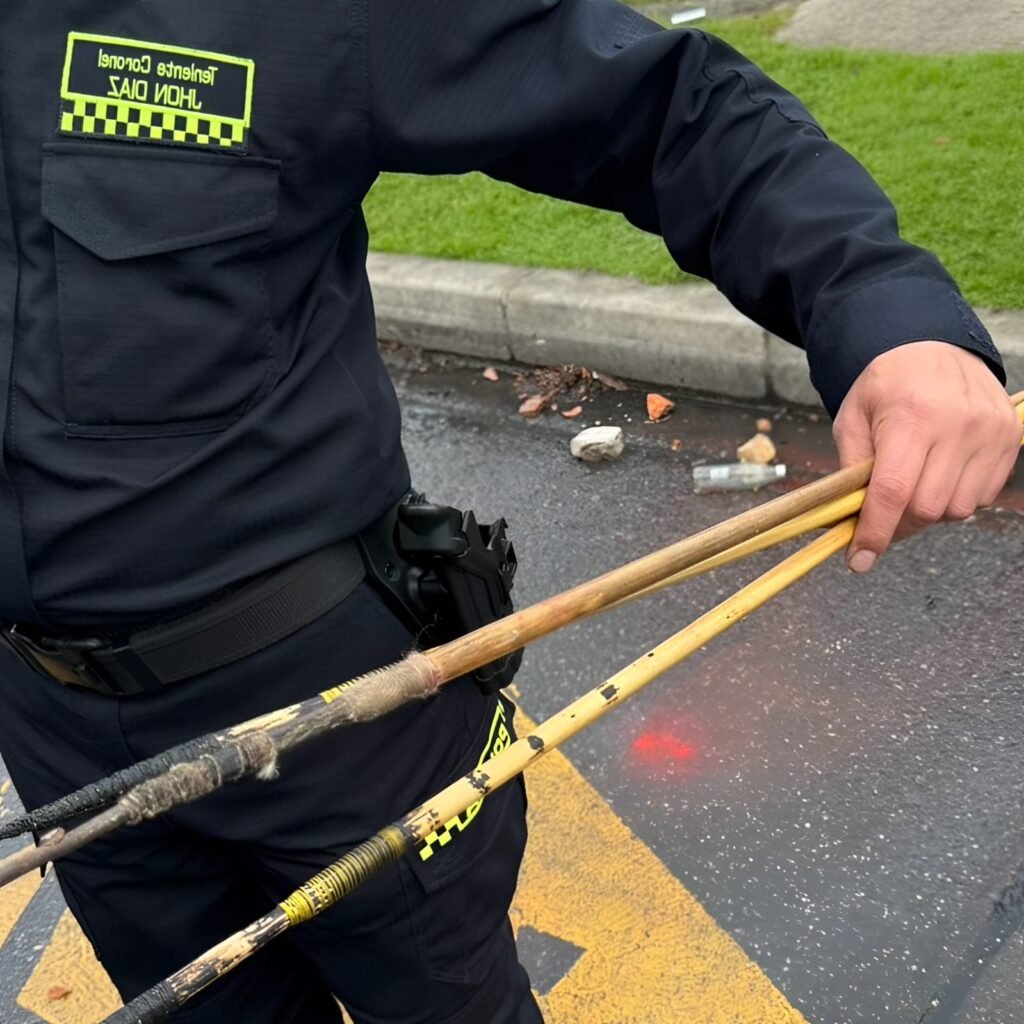
On Friday afternoon, hundreds of protesters gathered near the U.S. Embassy in Bogotá. The march initially appeared peaceful but soon turned chaotic when a group of hooded individuals began throwing stones and firebombs at the police.Security reports confirmed that four officers were injured, some struck by arrows and others by improvised explosives. The normally busy Avenida El Dorado was quickly blocked, and nearby traffic was diverted as the situation spiraled out of control.
The U.S. Embassy immediately activated its emergency protocols, suspending all consular services and locking down the building. Riot police (ESMAD) intervened to disperse the attackers and secure the perimeter. The Colombian government has described the incident as a direct assault on U.S. diplomacy, prompting widespread condemnation from political leaders across the spectrum.
PRESIDENT GUSTAVO PETRO’S RESPONSE
President Gustavo Petro addressed the nation shortly after the events, firmly condemning the violence and ordering increased protection around all diplomatic missions in the capital. He emphasized that while Colombia upholds the right to peaceful protest, no demonstration can justify violence or attacks on embassies. Petro reminded citizens that such actions not only endanger lives but also damage Colombia’s reputation abroad. In his statement, he said: “Protest is a constitutional right, but attacking an embassy threatens national sovereignty and peace.” His message aimed to reassure Washington and the international community that the Colombian state remains committed to law, order, and diplomatic stability.
THE UNITED STATES AND DONALD TRUMP’S REACTION
Although former U.S. President Donald Trump has not issued a direct statement regarding the attack, sources close to his administration expressed deep concern and demanded guarantees from the Colombian government for the safety of American personnel.
Trump, who has recently adopted a tough stance on Latin American security, has repeatedly insisted on a “zero tolerance” policy toward any aggression against U.S. institutions abroad.
Analysts suggest that Washington may temporarily review its diplomatic security operations in the region and reinforce its presence in Colombia — one of the United States’ most strategic allies in South America. The timing of the attack adds tension to already strained relations between the two nations, following Petro’s recent criticism of U.S. foreign policy and military actions in the region.
REACTIONS FROM THE COLOMBIAN OPPOSITION
The political opposition reacted swiftly and sharply. Right-wing leaders such as María Fernanda Cabal and other members of Congress criticized the government for its lack of control over public order, demanding accountability from national security officials. Opposition lawmakers argued that the attack exposes Colombia’s institutional weakness and reflects the failure of Petro’s administration to prevent radical infiltration of social protests. They also warned that this event could severely impact foreign investment, international cooperation, and Colombia’s global image, sending the wrong message to its diplomatic partners.

SOCIAL MOVEMENTS AND ORGANIZATIONS SPEAK OUT
Social leaders and protest organizers distanced themselves from the violence, claiming that their intention was to demonstrate in solidarity with Palestine and Venezuela, not to assault any embassy. Several activists alleged that unidentified infiltrators turned the peaceful march into chaos. They called on authorities to investigate the attack thoroughly and determine whether it was politically orchestrated. These statements highlight the complexity of Colombia’s protest landscape, where legitimate social movements often find themselves overshadowed by extremist factions.
DIPLOMATIC AND POLITICAL IMPACT OF THE ATTACK
Diplomatic Consequences
The attack on the U.S. Embassy in Bogotá has major diplomatic implications.
- It places pressure on the Petro government to guarantee the safety of foreign missions, as required under international law.
- The United States is expected to demand a comprehensive investigation and greater protection for its personnel.
- Any perception of negligence could temporarily strain bilateral relations.
Political and Security Consequences
- Domestically, the incident has deepened Colombia’s political polarization.
- The Ministry of Defense labeled the attack an “attempted homicide” and promised immediate arrests.
- Security forces are analyzing surveillance footage to identify those responsible.
- Experts believe this marks a turning point in how Colombia handles protest movements and public security in the capital.
POSSIBLE OUTCOMES FOR COLOMBIA
- Increased diplomatic tension between Bogotá and Washington.
- Stricter embassy security protocols across Latin America.
- Internal policy reforms to improve protest management.
- Heightened political polarization in Colombia’s domestic landscape.
- Damage to international perception, affecting investment and tourism confidence.
FINAL THOUGHTS: A CALL FOR RESPONSIBILITY AND PEACE
The attack on the U.S. Embassy in Bogotá is more than an isolated act of violence — it’s a reflection of the political and social challenges facing Colombia today. President Petro’s government now stands at a crossroads: it must prove that it can maintain order and protect international diplomacy while respecting civil liberties. The opposition, social movements, and security forces each share a part of that responsibility. When violence replaces dialogue, nations lose credibility and unity. This event sends a strong reminder to all sides: defending democracy means rejecting violence, no matter its origin. The world is watching how Colombia responds — and the country’s next steps will define its image on the global stage.